

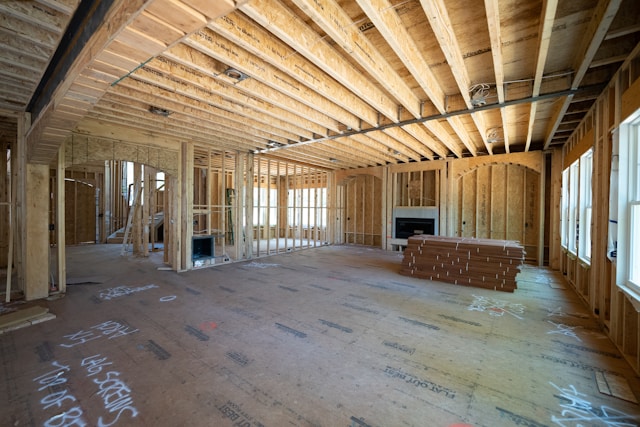
Have you ever opened a wall during a remodel, only to see odd chunks of wood, drywall, or even foam tucked between studs? If so, you may have stumbled across something called fireblocking. Fireblocking doesn’t get the same attention as granite countertops or walk-in showers, but it does play a huge role in keeping your home safe.
At Colorado Home Remodeling, we know about fireblocking, what it is, why it matters, and where it’s required.
Define Fireblocking
Fireblocking is a safety measure built directly into walls, floors, and ceilings, with a purpose of slowing down the spread of flames and smoke during a fire. Think of fireblocking as a roadblock, one that stops fire from racing through the hidden cavities of your home, like inside walls or between floors.
Without fireblocking, those spaces can act like a chimney, providing flames with a direct pathway to travel quickly through the house; fireblocking closes off those pathways.
How Is Fireblocking Installed?
Fireblocking isn’t a single product; rather, it’s a method. And depending on your space, the following items can be used:
- 2×4 or 2×6 lumber cut to fit between studs or joists
- Drywall or gypsum board tucked in place
- Fire-rated foam or caulk to seal small gaps around pipes, wires, or ducts
The idea isn’t to make the wall completely fireproof; the idea is to slow down the fire and smoke long enough for folks to get out safely and for firefighters to respond.
Where Do You Need Fireblocking?
Building code requires fireblocking to be in certain places, such as:
- The top of the walls, where they meet the ceiling
- Every 10 feet horizontally in stud cavities
- Around openings for pipes, vents, and wiring
- Between floors, especially in multi-level homes or finished basements
If you’re remodeling, especially if you’re finishing a basement or opening walls, your contractor needs to check these areas and add any missing fireblocking.
Does It Matter in Remodeling?
Fireblocking isn’t optional, it’s a building code requirement. Inspectors look for it during their framing inspections, and if it’s not installed correctly, your project can’t move forward.
More importantly, it’s about safety. Fireblocking helps protect your family while buying valuable minutes in an emergency. When we remodel at Colorado Home Remodeling, we make sure every cavity and opening is properly blocked so your project meets code and adds to your peace of mind.
The Bottom Line
Fireblocking might not be flashy, but it’s a silent hero in your home’s structure. Next time you’re planning a remodel, whether it’s a basement, kitchen, or whole house remodel, remember that behind your beautiful finishes is a layer of protection working hard to keep you safe.
Contact Colorado Home Remodeling, and we’ll take care of the details so your home isn’t just beautiful, it’s built to last and protect.


Leave a Reply